 English
  Deutsch
  Español
  Français
  Italiano
  Norsk bokmål
  Svenska
  Dansk
Dansk 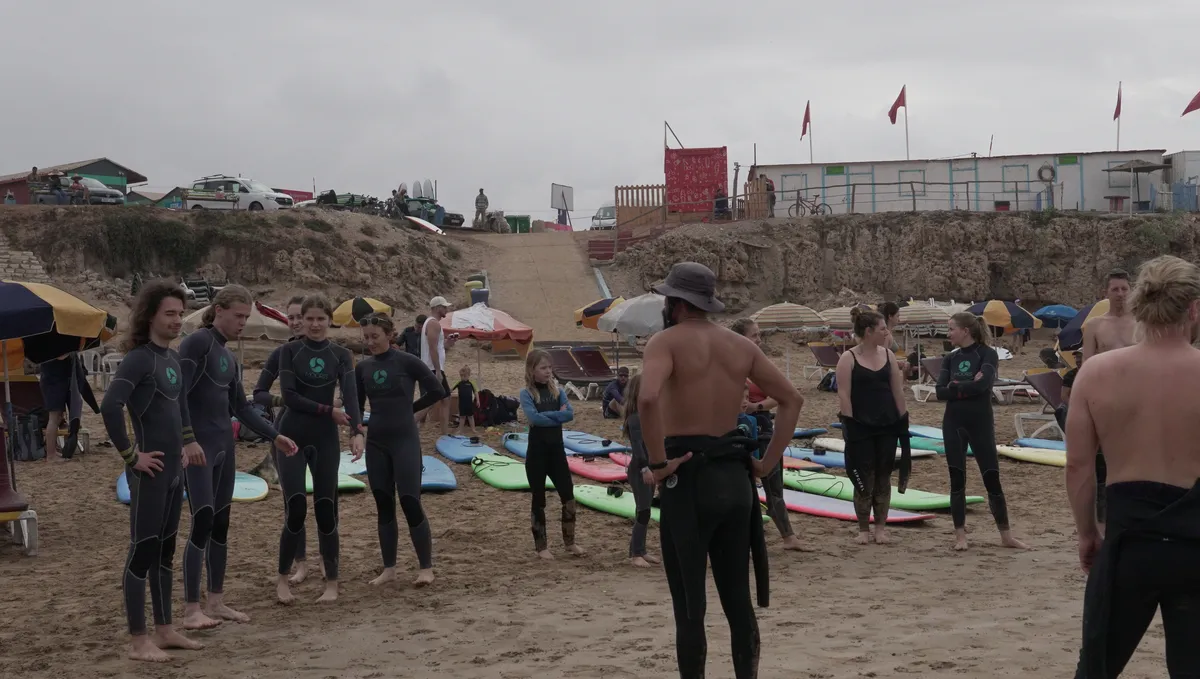
The best time to surf in Taghazout depends less on the calendar than on you. The waves never really switch off here: what changes through the year is the size and power of the swell, the wind, the water temperature and how busy the line-ups get. This guide walks you through all twelve months so you can match the season to your level.
Quick answer: the best time to surf in Taghazout
- Beginners and families: May to October, with smaller, friendlier waves and the warmest water.
- Improvers: October to November and March to April, with consistent swell and quieter line-ups.
- Experienced surfers: December to February, when the famous right-hand points are at their best.
- Water temperature: about 17 °C in late winter to 22 °C in late summer. You can surf every month of the year.
On this page
Best Time to Surf in Taghazout, Month by Month
This table sums up a typical year. Wave heights are the usual range on the main breaks around the bay; the sandy beaches where beginners learn are always smaller, and every swell is different, so treat it as a guide rather than a promise.
| Month | Waves | Water | Wetsuit | Air (max) | Best for |
|---|---|---|---|---|---|
| January | 1.5–3 m | 17–18 °C | 4/3 mm | 21 °C | Experienced |
| February | 1.5–3 m | 17 °C | 4/3 mm | 22 °C | Experienced |
| March | 1–2.5 m | 17–18 °C | 4/3 mm or 3/2 mm | 23 °C | Improvers |
| April | 1–2 m | 18 °C | 3/2 mm | 23 °C | All levels |
| May | 0.5–1.5 m | 19 °C | 3/2 mm | 24 °C | Beginners |
| June | 0.5–1 m | 20 °C | 3/2 mm or shorty | 26 °C | Beginners and families |
| July | 0.5–1 m | 21 °C | 3/2 mm or shorty | 27 °C | Beginners and families |
| August | 0.5–1.2 m | 22 °C | 3/2 mm or shorty | 27 °C | Beginners and families |
| September | 1–2 m | 21–22 °C | 3/2 mm | 26 °C | All levels |
| October | 1.5–2.5 m | 21 °C | 3/2 mm | 26 °C | Improvers and experienced |
| November | 1.5–3 m | 19–20 °C | 3/2 mm | 24 °C | Improvers and experienced |
| December | 1.5–3 m | 18 °C | 4/3 mm | 22 °C | Experienced |
Why Taghazout Has Waves All Year
Taghazout faces the open Atlantic, and its waves are born far away in the storms that cross the North Atlantic. From autumn to spring those storms are frequent and strong, so long, powerful swells arrive from the north-west and wrap around the headlands of the bay. That is what makes the famous right-hand points, such as Anchor Point, Killer Point and Hash Point, peel for so long.
In summer the storm track moves north, the swell gets smaller and the trade winds pick up in the afternoons. The points often go quiet, but the sandy beach breaks keep working, and mornings are usually glassy. That is why the Taghazout surf season never really ends: it simply shifts from powerful points in winter to gentle beach waves in summer.
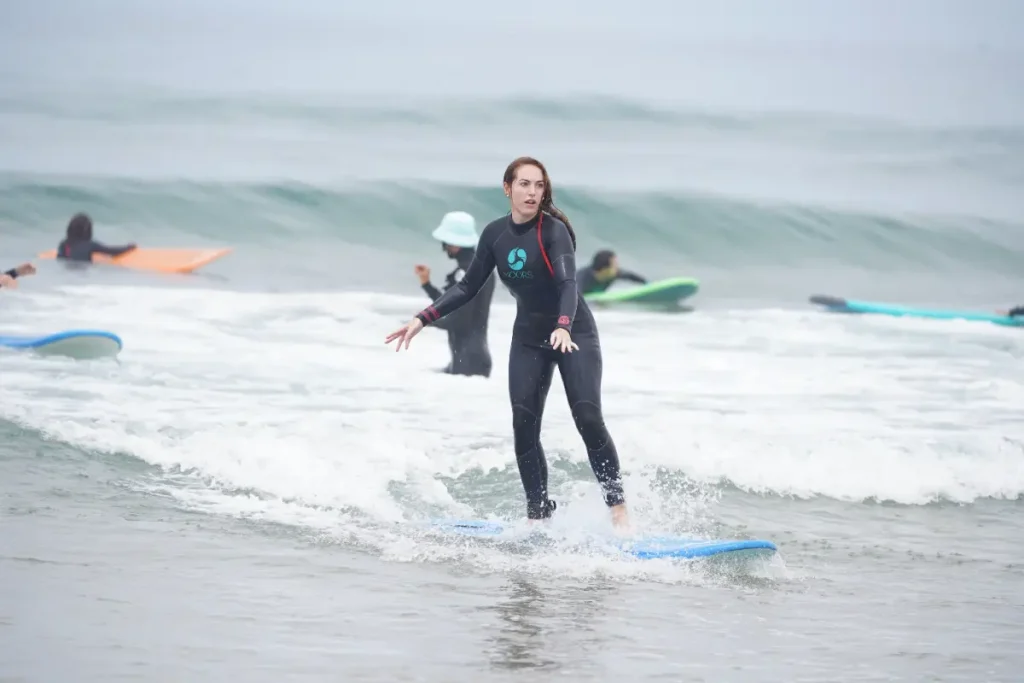
Autumn in Taghazout (September to November)
Autumn is the sweet spot many locals would pick. The first proper Atlantic swells arrive in September, the water is at its warmest after the summer at around 21 to 22 °C, and the crowds of winter have not arrived yet. Beginners still get plenty of small, clean days on the beaches, while the points start to wake up as October and November bring bigger, more regular swells.
Our tip: if you ask us about the best time to surf in Taghazout, late October and early November are one of the best-kept secrets of the Taghazout surf season, with warm water, long sunny days and real waves for every level.
Winter: Peak Taghazout Surf Season (December to February)
Winter is peak season and the reason Taghazout became famous. North Atlantic storms send long-period swells that light up the points, and on the best days Anchor Point can run for hundreds of metres. Days are mostly sunny with afternoon highs of 21 to 22 °C, but the water is at its coolest, around 17 °C, and the best-known waves are busy. For experienced surfers, this is the best time to surf in Taghazout.
Beginners are still welcome in winter: the sheltered beach breaks are smaller than the points, and a good instructor always finds a spot that suits your level. Just pack a thicker wetsuit and a warm layer for the evenings.
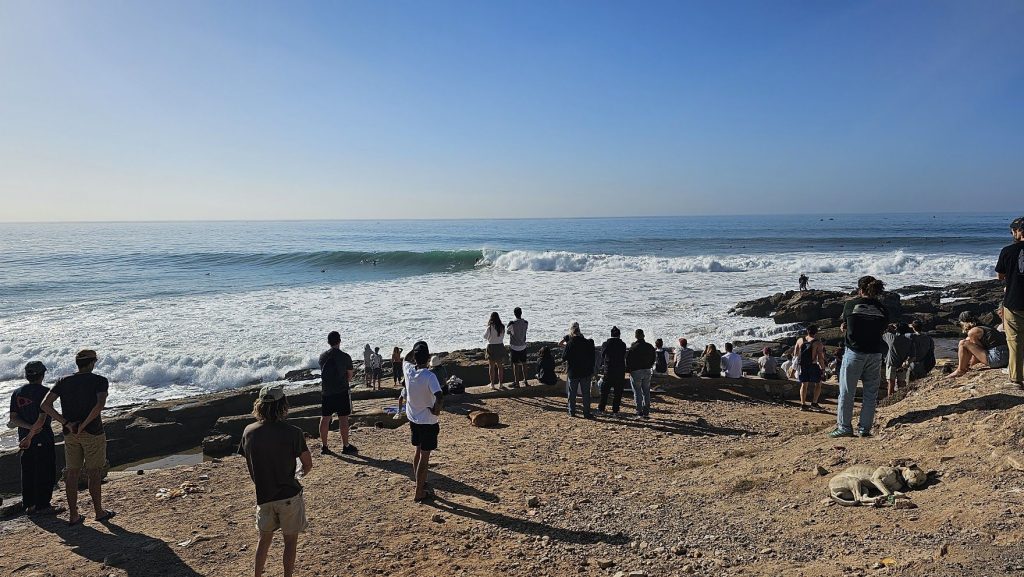
Spring in Taghazout (March to May)
Swell is still regular in March and April and slowly eases into May, while the days get longer and warmer. It is a great window for improvers: consistent, manageable waves and fewer people than in the heart of winter. By May the waves are mostly small and friendly, the water climbs back to around 19 °C, and it rarely rains.
Summer in Taghazout (June to August)
Summer brings small, gentle waves, warm water of around 20 to 22 °C and hot, dry days: there is almost no rain from June to August. The points are often flat and the afternoon wind can make the sea choppy, so lessons usually happen in the morning. For complete beginners, children and anyone who wants a relaxed surf holiday in the sun, it is the best time to surf in Taghazout.
The Best Time to Surf in Taghazout for Your Level
Complete beginners
From May to October the waves on the beach breaks are small and forgiving, the water is warm and you can learn in shallow water where you can stand. With a two-hour lesson every day, most first-timers stand up within their first two or three sessions.
Improvers
October to November and March to April give you the most useful waves: regular swell, clean mornings and line-ups that are calmer than in winter. It is the ideal time to move from white water to green waves and to try your first point break with a coach.
Experienced surfers
December to February is when the points of Taghazout show why they are famous. Come for Anchor Point, Killer Point and the long right-hander at Imsouane, accept that the best days will be busy, and aim for early sessions to beat the crowds.
What to Wear: Wetsuit Guide by Season
| Season | Water | What most surfers wear |
|---|---|---|
| Winter (Dec–Feb) | 17–18 °C | 4/3 mm full suit; booties on rocky points |
| Spring (Mar–May) | 17–19 °C | 3/2 mm full suit, 4/3 mm in March if you feel the cold |
| Summer (Jun–Aug) | 20–22 °C | Shorty or 3/2 mm; a rash vest against the sun |
| Autumn (Sep–Nov) | 19–22 °C | 3/2 mm full suit, shorty on the warmest days |
You do not need to pack any of this: a wetsuit in the right thickness and a board are included in every Twist Surf package.
Weather Beyond the Waves
The coast around Agadir and Taghazout is one of the sunniest places in Morocco. According to the NOAA climate averages for Agadir from 1991 to 2020, afternoon highs range from about 21 °C in January to 27 °C in August, with more than 220 hours of sunshine in every single month. Rain falls on only two to four days a month between November and March and almost never in summer.
Winter nights can drop to around 8 to 10 °C, so bring a warm jumper for the terrace in the evening. In summer it is hot in the sun but rarely stifling, thanks to the ocean breeze.
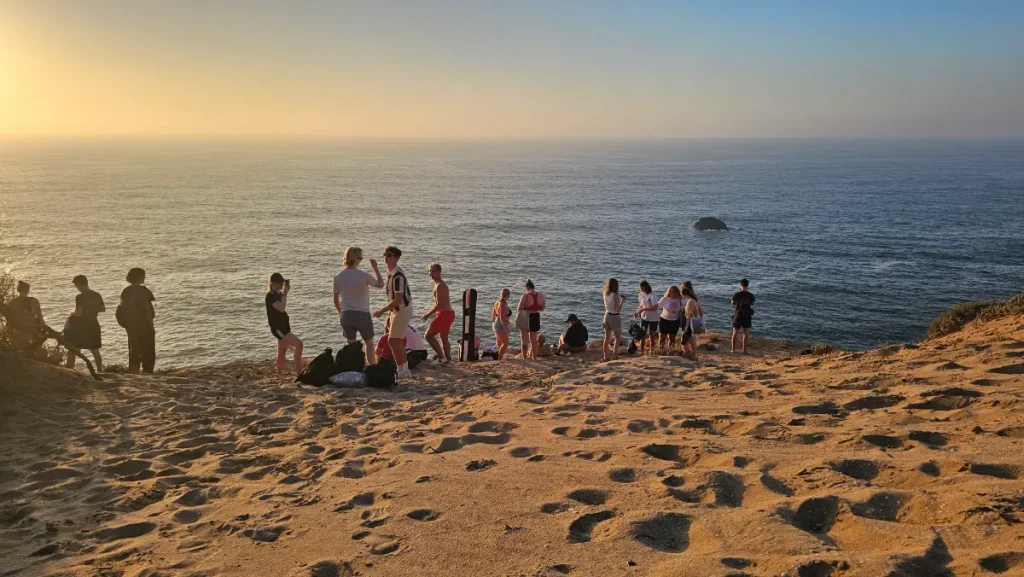
Crowds, Holidays and Ramadan
The busiest weeks are Christmas and New Year, the European school holidays in February and around Easter, when the best-known points get crowded. If you can be flexible, late October, November and early March offer the same quality of waves with more space in the water.
Ramadan moves about eleven days earlier every year; in 2027 it is expected to run from around early February to early March. Life slows down during the day and cafés in the villages may change their hours, but surfing, lessons and meals at the camp carry on as normal, and the evenings after sunset are lively.
Which Surf Week to Book, Season by Season
Once you know the best time to surf in Taghazout for you, choosing a week is easy. Here is how our packages fit the seasons:
- May to October with children: the Family package, with lessons adapted to every age and a family room for five.
- First surf trip at any time of year: the All Inclusive week, with a two-hour lesson every day.
- Spring or autumn with yoga: the Premium surf and yoga retreat.
- Winter for experienced surfers: the Classic surf trip, with a daily lift to the spot that is working best.
See the All Inclusive surf camp week
Frequently asked questions
What is the best month to surf in Taghazout?
There is no single best month for everyone. Overall, the best time to surf in Taghazout is October and November, with warm water and waves for every level; December to February is best for experienced surfers, and May to September for beginners.
Can you surf in Taghazout in summer?
Yes. The points are often flat, but the beach breaks have small, clean waves, especially in the morning, which makes summer one of the best times to learn.
How cold is the water in Taghazout in winter?
It usually drops to around 17 °C in February. A 4/3 mm wetsuit keeps most surfers comfortable, and the sunny days help you warm up quickly between sessions.
Is Taghazout good for beginners in winter?
Yes. The big waves break on the points, while the sheltered beaches nearby stay small enough to learn. Instructors choose the spot every morning according to the swell.
When is the best time to surf in Morocco in general?
Morocco’s Atlantic coast follows the same pattern as Taghazout: the biggest and most consistent swells from October to March, and smaller, easier waves from May to September. Taghazout Bay has a mix of beaches and points, so it works in every season.
Which wetsuit do I need in Taghazout?
A 3/2 mm full suit for most of the year, a 4/3 mm from December to March and a shorty in high summer. A wetsuit is included in every Twist Surf package.
Surf lessons in Taghazout: a beginner’s guide


